

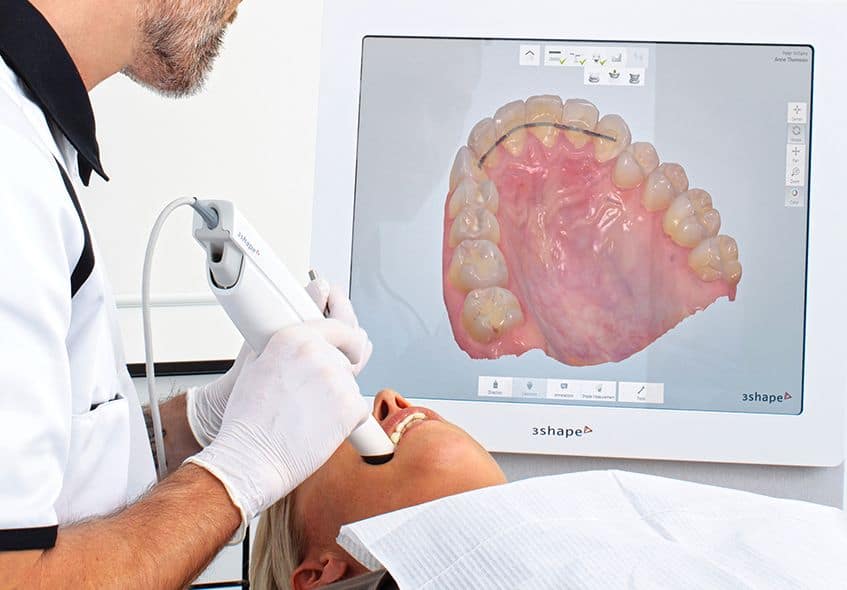
Digital dentistry is reshaping modern oral healthcare by replacing traditional, manual techniques with advanced digital tools. From precise diagnostics to streamlined treatments, this evolution is enhancing patient comfort, improving clinical accuracy, and redefining the overall dental experience. What once relied heavily on physical impressions and subjective measurements is now guided by data-driven precision and smart technology.
What Is Digital Dentistry?
Digital dentistry refers to the use of computer-based technologies throughout dental procedures, from diagnosis to treatment planning and restoration fabrication. These technologies minimize human error while offering faster, more predictable outcomes for both patients and clinicians.
Key components of digital dentistry include:
-
Intraoral scanners for digital impressions
-
CAD/CAM systems for designing and manufacturing restorations
-
3D imaging and cone-beam CT (CBCT) for advanced diagnostics
-
3D printing for dental models, aligners, and surgical guides
Together, these tools create a fully integrated digital workflow.
Enhancing Patient Comfort Through Technology
One of the most noticeable benefits of digital dentistry is the dramatic improvement in patient comfort.
Goodbye to Traditional Impressions
Conventional dental impressions often trigger discomfort, gag reflexes, and anxiety. Digital scanners eliminate these issues by capturing detailed images of the teeth and gums using a small handheld device.
Benefits for patients include:
-
Shorter appointment times
-
No messy impression materials
-
Reduced anxiety and discomfort
-
Immediate visualization of results
Minimally Invasive Procedures
Digital planning allows dentists to perform treatments with greater precision, often requiring less drilling and tissue manipulation. This results in quicker recovery times and reduced post-procedure discomfort.
Unmatched Accuracy and Precision
Accuracy is the backbone of successful dental treatments, and digital dentistry excels in this area.
Data-Driven Diagnostics
High-resolution digital imaging enables dentists to detect issues that may be missed with traditional methods, such as:
-
Micro-fractures in teeth
-
Early-stage decay
-
Bone density changes
This level of detail supports early intervention and more conservative treatment plans.
Perfect-Fit Restorations
With CAD/CAM technology, crowns, veneers, and bridges are designed with micron-level precision. This ensures:
-
Better fit and bite alignment
-
Enhanced durability
-
Fewer adjustments and remakes
The result is restorations that feel natural and function seamlessly.
Faster Treatment and Improved Efficiency
Digital workflows significantly reduce turnaround times.
Same-Day Dentistry
Many practices now offer same-day crowns and restorations, eliminating the need for temporary solutions and multiple visits. Patients benefit from:
-
Fewer appointments
-
Immediate results
-
Reduced time off work
Streamlined Communication
Digital records allow instant sharing of data between dentists, labs, and specialists, ensuring everyone works from the same accurate information.
Personalized and Predictable Outcomes
Digital dentistry empowers clinicians to tailor treatments to individual patient needs.
Virtual Treatment Planning
Dentists can simulate outcomes before treatment begins, allowing patients to preview their smile and understand the process clearly. This transparency builds trust and improves patient satisfaction.
Consistency Across Procedures
Digital systems ensure consistent results, regardless of procedure complexity, reducing variability and enhancing long-term success.
The Future of Digital Dentistry
As technology continues to evolve, digital dentistry is expected to integrate artificial intelligence, advanced automation, and even more sophisticated imaging tools. These innovations will further refine accuracy, enhance comfort, and make high-quality dental care more accessible.
Frequently Asked Questions (FAQs)
1. Is digital dentistry safe for all patients?
Yes, digital dentistry is safe and widely used. Most technologies are non-invasive and designed to improve diagnostic accuracy and treatment outcomes.
2. Does digital dentistry reduce treatment time?
In many cases, yes. Digital workflows streamline procedures, often reducing the number of visits and overall treatment duration.
3. Are digital dental restorations more durable?
Digital restorations are designed with high precision, which often leads to better fit and longevity compared to traditional methods.
4. Can digital dentistry help with dental anxiety?
Absolutely. Shorter appointments, less invasive procedures, and improved comfort make digital dentistry ideal for anxious patients.
5. Is digital dentistry more expensive?
While initial costs may be slightly higher, fewer visits and longer-lasting results often make digital dentistry cost-effective in the long run.
6. How accurate are digital dental impressions?
Digital impressions are extremely accurate and reduce the risk of errors associated with traditional impression materials.
7. Will digital dentistry replace traditional methods completely?
While traditional techniques may still be used in certain cases, digital dentistry is rapidly becoming the standard due to its efficiency and reliability.

Comments are closed.