

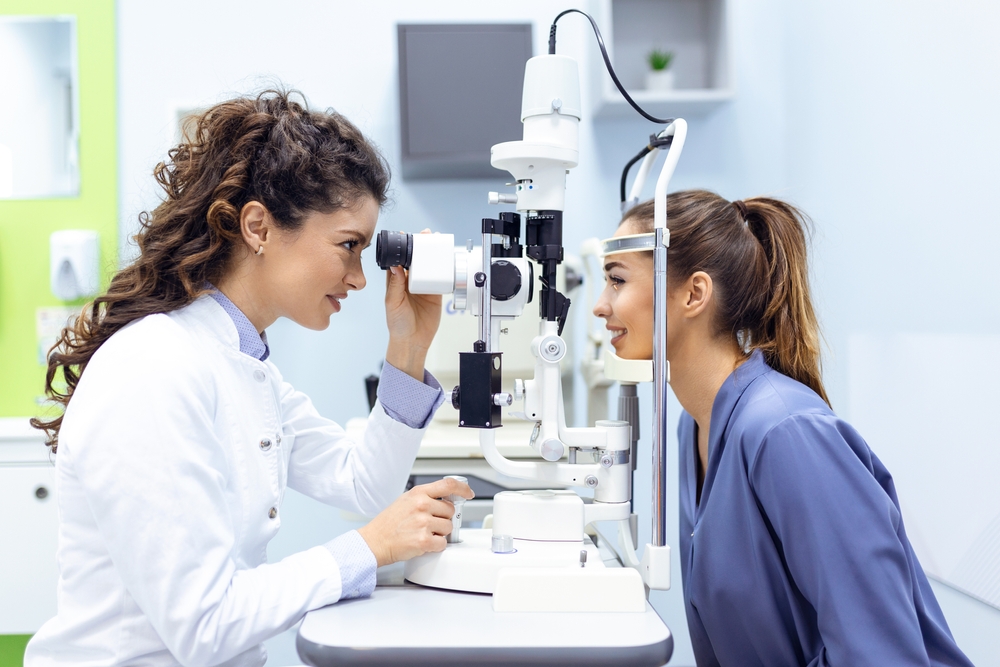
The traditional model of visiting high street opticians for eye examinations has remained largely unchanged for decades, requiring patients to navigate busy shopping centers, wait in cramped waiting rooms, and schedule appointments during restrictive business hours. However, a growing number of Manchester residents are discovering that professional eye care can be delivered with the same clinical excellence in the comfort and convenience of their own homes.
This shift toward mobile eye care services reflects broader changes in healthcare delivery, where patient-centered approaches prioritize accessibility, convenience, and personalized service without compromising clinical standards. For Manchester’s diverse population, including working professionals, elderly residents, and families with young children, home-based eye examinations offer solutions to longstanding barriers that have prevented many from receiving regular vision care.
The Growing Demand for Mobile Eye Care Services
Changing Demographics and Healthcare Needs
Manchester’s aging population faces increasing challenges in accessing traditional healthcare services, including routine eye examinations that become more critical with age. Mobility issues, transportation difficulties, and the physical demands of visiting busy optometry practices create significant obstacles for many elderly residents who require regular vision monitoring.
Similarly, working-age adults in Manchester’s thriving business districts often struggle to fit routine eye care into demanding schedules that leave little time for appointments during standard business hours. The economic cost of taking time off work for routine medical appointments adds another layer of complexity to maintaining regular eye health.
Technology Enablers and Service Innovation
Modern portable diagnostic equipment has reached sophisticated levels that enable comprehensive eye examinations outside traditional clinical settings. Advanced digital refraction systems, portable slit lamps, and handheld imaging devices deliver the same diagnostic capabilities that were once confined to fixed optometry practices.
This technological advancement, combined with qualified optometrists’ willingness to embrace mobile practice models, has created opportunities for innovative service delivery that meets patients where they are most comfortable while maintaining professional standards.
Understanding the Home Eye Test Experience
Pre-Appointment Preparation and Expectations
Home eye test appointments begin with comprehensive scheduling consultations that help patients understand what to expect and how to prepare their living spaces for optimal examination conditions. Most mobile optometrists provide detailed guidance on lighting requirements, space needs, and any specific preparations that enhance examination accuracy.
The flexibility of home appointments allows for scheduling around family routines, work commitments, and personal preferences in ways that traditional optometry appointments simply cannot accommodate. This includes early morning, evening, or weekend appointments that fit seamlessly into busy lifestyles.
Comprehensive Clinical Assessment in Home Settings
Professional home eye test manchester services deliver the full spectrum of eye health assessments including visual acuity testing, prescription evaluation, eye pressure monitoring, and detailed retinal examination using state-of-the-art portable equipment.
The home environment often provides advantages for certain patient populations, particularly children who may feel more relaxed and cooperative in familiar surroundings, leading to more accurate test results and positive associations with eye care from an early age.
Benefits Beyond Convenience
Enhanced Patient Comfort and Reduced Anxiety
Many patients experience significant anxiety when visiting medical facilities, including optometry practices. The familiar surroundings of home can dramatically reduce stress levels, leading to more accurate test results and better patient cooperation throughout comprehensive examinations.
This is particularly beneficial for patients with special needs, autism spectrum disorders, or medical conditions that make traditional clinical environments challenging to navigate comfortably.
Family-Centered Care Approaches
Multiple Family Member Appointments
Home eye tests enable entire families to receive vision care during single appointment blocks, eliminating multiple trips to optometry practices while ensuring that everyone maintains current prescriptions and eye health monitoring.
Parents appreciate the ability to have children’s eyes examined in comfortable, familiar environments where behavioral challenges are minimized and cooperation is typically enhanced compared to clinical settings.
Continuity and Relationship Building
The personalized nature of home eye care services often leads to stronger patient-practitioner relationships, as mobile optometrists spend more focused time with patients and develop better understanding of individual needs and preferences over time.
This continuity can be particularly valuable for managing complex vision conditions that require ongoing monitoring and adjustment of treatment approaches.
Quality Assurance and Professional Standards
Regulatory Compliance and Professional Oversight
All legitimate mobile eye care practitioners maintain identical professional qualifications, insurance coverage, and regulatory compliance as traditional optometry practices. The General Optical Council requires the same standards regardless of service delivery location.
Patient safety protocols, clinical governance procedures, and professional development requirements ensure that home eye tests meet the same quality benchmarks that apply to high street optometry services.
Equipment Calibration and Maintenance
Mobile optometry equipment undergoes rigorous calibration and maintenance schedules to ensure diagnostic accuracy across different environments and usage conditions. Professional mobile practitioners invest significantly in portable equipment that matches or exceeds the capabilities of traditional practice-based systems.
Addressing Common Concerns and Misconceptions
Clinical Accuracy and Diagnostic Capability
Some patients worry that home eye tests might be less thorough or accurate than traditional appointments. However, modern portable equipment provides identical diagnostic capabilities to fixed practice installations, while qualified optometrists follow the same clinical protocols regardless of examination location.
The controlled environment of patients’ homes often provides better testing conditions than busy high street practices, where distractions, noise, and time pressures can impact examination quality.
Cost Effectiveness and Value Considerations
When factoring in travel time, parking costs, and potential lost wages from taking time off work, home eye tests often provide superior value compared to traditional appointments. Many mobile services offer competitive pricing that reflects the personalized attention and convenience they provide.
Insurance coverage for mobile eye care continues to expand as healthcare providers recognize the clinical equivalency and patient satisfaction benefits of home-based services.
FAQ Section
Q: Is the equipment used in home eye tests the same quality as in optometry shops? A: Yes, qualified mobile optometrists use professional-grade portable equipment that provides the same diagnostic accuracy as traditional practice-based systems, often featuring the latest technological advances in mobile eye care.
Q: Can home eye tests detect serious eye conditions like glaucoma or cataracts? A: Absolutely. Home eye examinations include comprehensive assessments for glaucoma, cataracts, macular degeneration, and other serious eye conditions using advanced diagnostic equipment designed for mobile practice.
Q: How do I verify that a mobile optometrist is properly qualified? A: Check the General Optical Council register to verify professional registration, ask about professional indemnity insurance, and request references from other patients who have used their services.
Q: What happens if I need urgent follow-up care after a home eye test? A: Reputable mobile eye care services maintain relationships with local eye care specialists and can arrange urgent referrals or follow-up appointments when necessary, ensuring continuity of care.
Q: Can contact lens fittings be done during home eye tests? A: Many mobile optometrists can perform contact lens consultations and fittings during home visits, including teaching proper insertion, removal, and care techniques in the comfort of your own home.
Conclusion
Home eye testing represents a fundamental shift toward patient-centered eye care that prioritizes accessibility, convenience, and personalized service without compromising clinical excellence. For Manchester residents facing barriers to traditional eye care, mobile optometry services offer practical solutions that fit seamlessly into modern lifestyles while maintaining the professional standards essential for optimal vision health. As technology continues to advance and mobile eye care services expand their capabilities, patients can expect even greater convenience and innovation in accessing the comprehensive vision care they need to maintain healthy eyesight throughout their lives. The future of eye care is increasingly mobile, personalized, and designed around patient needs rather than traditional practice constraints.

Comments are closed.