

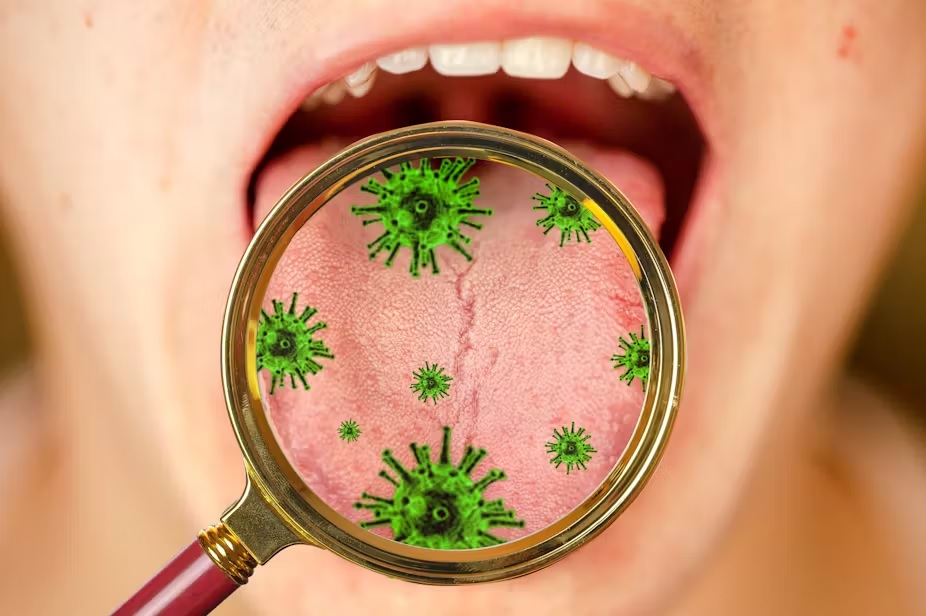
Diseases have been a fundamental challenge to human survival, affecting millions of people worldwide. Understanding the mechanisms, causes, and preventive measures of diseases is essential not only for maintaining personal health but also for public well-being. From infectious to non-infectious conditions, modern medicine has advanced to identify, treat, and manage a vast spectrum of ailments. This article explores diseases in depth, focusing on their classification, causes, effects, treatment strategies, and preventive approaches.
Classification of Diseases
Diseases can be broadly categorised based on their causes, mechanisms, and modes of transmission. Recognising these categories helps medical professionals develop targeted treatment and prevention strategies.
Infectious Diseases
Infectious diseases are caused by pathogenic microorganisms such as bacteria, viruses, fungi, or parasites. These pathogens invade the body and disrupt normal physiological functions.
- Bacterial Infections: Caused by bacteria, examples include tuberculosis, strep throat, and urinary tract infections. Antibiotics remain the mainstay of treatment, though resistance is a growing concern.
- Viral Infections: Viruses cause illnesses like influenza, HIV/AIDS, and COVID-19. Vaccines play a crucial role in preventing viral diseases, while antiviral medications can manage certain infections.
- Fungal Infections: Fungi can infect skin, nails, or internal organs, as seen in candidiasis or aspergillosis. Treatment often involves antifungal medications.
- Parasitic Infections: Parasites such as protozoa, helminths, or ectoparasites can cause malaria, amoebiasis, and scabies. Preventive measures include hygiene, sanitation, and vector control.
Non-Infectious Diseases
Non-infectious diseases are not caused by pathogens and cannot be transmitted from person to person. They often result from genetics, lifestyle factors, or environmental exposure.
- Genetic Disorders: These arise due to inherited mutations. Examples include cystic fibrosis, sickle cell anaemia, and Huntington’s disease. Early diagnosis through genetic testing allows better management.
- Chronic Diseases: Long-term conditions like diabetes, cardiovascular disease, and chronic respiratory illnesses are primarily influenced by lifestyle and environmental factors.
- Autoimmune Diseases: In these conditions, the immune system mistakenly attacks the body’s own cells. Examples include rheumatoid arthritis, lupus, and multiple sclerosis.
- Degenerative Diseases: Progressive deterioration of body tissues, as seen in Alzheimer’s disease or osteoarthritis, impacts quality of life and requires multidisciplinary management.
Emerging and Re-Emerging Diseases
New pathogens and environmental changes can give rise to emerging diseases, while previously controlled diseases may reappear due to factors like antimicrobial resistance or waning immunity. Examples include Zika virus, Ebola outbreaks, and drug-resistant tuberculosis. Understanding epidemiological trends is vital for public health preparedness.
Causes of Diseases
Diseases develop through a complex interplay of genetic, environmental, and behavioural factors.
- Genetic Factors: Mutations or inherited genetic predispositions influence susceptibility to certain diseases. Family history is a key consideration in conditions such as heart disease or cancer.
- Environmental Factors: Exposure to pollutants, toxins, or occupational hazards can trigger diseases. Air pollution is linked to respiratory diseases, while prolonged sun exposure increases skin cancer risk.
- Lifestyle Factors: Diet, physical activity, smoking, and alcohol consumption significantly affect disease risk. Obesity, sedentary behaviour, and poor nutrition contribute to metabolic disorders.
- Pathogens: Bacteria, viruses, fungi, and parasites are direct agents of infectious diseases, spreading through air, water, bodily fluids, or vectors.
- Immune System Dysfunction: Both weakened immunity and autoimmune reactions can predispose individuals to infections or self-directed tissue damage.
Symptoms and Early Detection
Early recognition of disease symptoms is critical for effective treatment and improved outcomes. Symptoms vary based on the type and severity of the disease:
- General Symptoms: Fever, fatigue, weight loss, and malaise are common across many conditions.
- Organ-Specific Symptoms: Pain, swelling, functional impairment, or abnormal laboratory markers can indicate specific organ involvement.
- Behavioural or Cognitive Changes: Neurological or psychiatric conditions may present as memory loss, mood disturbances, or confusion.
Routine screenings, blood tests, imaging studies, and genetic testing contribute to early detection and timely intervention.
Disease Diagnosis
Accurate diagnosis requires a combination of clinical evaluation, laboratory investigations, and imaging techniques:
- Laboratory Tests: Blood, urine, and tissue analyses help detect infections, biochemical imbalances, or genetic markers.
- Imaging: X-rays, MRI, CT scans, and ultrasounds allow visualisation of internal structures and disease progression.
- Biopsy: Tissue sampling provides definitive diagnosis for cancers and some chronic conditions.
- Molecular Diagnostics: PCR, immunoassays, and other molecular techniques identify pathogens with high precision.
Advanced diagnostic tools enable personalised treatment plans and better monitoring of disease progression.
Treatment Approaches
Treating diseases requires an evidence-based, multidisciplinary approach:
Pharmacological Interventions
- Antibiotics and Antivirals: Target infectious agents. Responsible use is essential to prevent resistance.
- Immunomodulators: Control autoimmune responses or enhance immune function.
- Chemotherapy and Targeted Therapies: Used for cancers with specificity to tumour markers.
- Symptomatic Medications: Pain relief, anti-inflammatories, and antipyretics improve patient comfort.
Surgical Interventions
Surgery is employed to remove diseased tissue, repair damaged organs, or restore functionality. Minimally invasive techniques reduce recovery time and complications.
Lifestyle and Rehabilitation
Lifestyle modifications complement medical treatments:
- Balanced nutrition and hydration.
- Regular physical activity.
- Stress management and mental health support.
- Physical therapy for recovery and functional improvement.
Preventive and Prophylactic Measures
Preventing diseases is more effective than treatment:
- Vaccination: Prevents numerous infectious diseases such as measles, influenza, and hepatitis.
- Screening Programmes: Early detection of cancers, diabetes, and hypertension improves outcomes.
- Sanitation and Hygiene: Clean water, handwashing, and safe food practices reduce infection risk.
- Health Education: Raising awareness about risk factors encourages preventive behaviours.
The Global Impact of Diseases
Diseases exert profound effects on healthcare systems, economies, and social structures:
- Economic Burden: Chronic and infectious diseases lead to significant healthcare expenditures and loss of productivity.
- Public Health Challenges: Epidemics and pandemics require coordinated responses, affecting population health and mobility.
- Social Implications: Stigmatization, psychological stress, and reduced quality of life are common among patients with severe or chronic conditions.
Global initiatives such as the World Health Organization’s disease surveillance and eradication programmes aim to mitigate these impacts.
Advances in Disease Research
Ongoing research is transforming disease management and prevention:
- Genomic Medicine: Personalised approaches based on genetic profiles allow targeted therapy.
- Artificial Intelligence: AI-driven diagnostics and predictive models enhance detection and treatment planning.
- Nanotechnology: Nanomedicine provides precise drug delivery and improved imaging capabilities.
- Regenerative Medicine: Stem cell therapy and tissue engineering offer potential cures for previously untreatable conditions.
- Global Health Initiatives: Data-driven strategies improve epidemic preparedness, vaccination coverage, and health equity.
These innovations promise a future where diseases are managed more effectively and preventable conditions are significantly reduced.
Challenges in Disease Control
Despite advances, several challenges persist in disease management:
- Antimicrobial Resistance: Overuse of antibiotics and antivirals leads to resistant pathogens.
- Emerging Infectious Diseases: Climate change, global travel, and ecological shifts facilitate the emergence of new pathogens.
- Access to Healthcare: Socioeconomic disparities hinder timely diagnosis and treatment.
- Chronic Disease Burden: Lifestyle-related illnesses require long-term management and societal interventions.
Addressing these challenges requires coordinated public health policies, patient education, and investment in healthcare infrastructure.
FAQs About Diseases
1. How can individuals reduce their risk of chronic diseases?
Maintaining a balanced diet, engaging in regular exercise, avoiding tobacco and excessive alcohol, and monitoring blood pressure and blood sugar are key preventive measures.
2. Are vaccines effective against all types of infectious diseases?
Vaccines prevent many, but not all, infectious diseases. New pathogens may require ongoing vaccine development and booster doses.
3. Can genetic disorders be prevented?
While genetic mutations cannot always be prevented, genetic counselling, prenatal screening, and lifestyle adjustments can reduce risk or mitigate severity.
4. What are the early warning signs of serious illnesses?
Persistent fatigue, unexplained weight loss, prolonged pain, bleeding, or cognitive changes warrant medical evaluation. Early intervention often improves prognosis.
5. How does mental health relate to physical disease?
Chronic stress, anxiety, and depression can weaken immune function, exacerbate cardiovascular conditions, and influence lifestyle behaviours, contributing to disease progression.
6. Is it possible to fully recover from degenerative diseases?
Degenerative diseases are often progressive, but symptom management, rehabilitation, and supportive therapies can improve quality of life and slow progression.
7. How important is hygiene in preventing infectious diseases?
Proper handwashing, safe food handling, clean water, and sanitation are critical in preventing the spread of many infectious diseases.
Understanding diseases in all their complexity empowers individuals and societies to adopt preventive strategies, seek timely treatment, and embrace innovations in healthcare. From tackling infectious outbreaks to managing chronic conditions, informed and proactive approaches are key to reducing the global burden of disease and enhancing overall health outcomes.

Comments are closed.