

The pharmaceutical industry plays a pivotal role in modern healthcare, providing medications, vaccines, and therapies that prevent, manage, and cure diseases. Pharmaceuticals encompass a broad spectrum of products, including prescription drugs, over-the-counter medications, biologics, and advanced therapies. Understanding the pharmaceutical landscape requires examining drug discovery, development, manufacturing, regulation, and innovation, all of which are crucial for delivering safe and effective treatments to patients.
The Scope of the Pharmaceutical Industry
Pharmaceuticals are more than just pills or injections; they represent a complex ecosystem bridging medical science, biotechnology, and regulatory frameworks. Core areas include:
- Drug Discovery: Identification of active compounds and molecular targets for disease intervention.
- Clinical Development: Systematic evaluation of drug efficacy and safety through clinical trials.
- Regulatory Approval: Compliance with government standards to ensure safety, quality, and efficacy.
- Manufacturing and Quality Control: Production of medications under strict Good Manufacturing Practice (GMP) guidelines.
- Distribution and Access: Ensuring medications reach healthcare providers and patients efficiently.
Drug Discovery and Development
The development of pharmaceuticals is a highly structured and research-intensive process.
Preclinical Research
Preclinical studies involve laboratory and animal testing to evaluate the pharmacokinetics, pharmacodynamics, toxicity, and potential efficacy of new compounds. Key objectives include:
- Target Identification: Understanding molecular mechanisms and disease pathways.
- Lead Compound Selection: Choosing candidates with optimal therapeutic potential.
- Safety Assessment: Determining toxicology profiles and dose ranges to mitigate risks in human trials.
Clinical Trials
Human testing occurs in phased clinical trials to evaluate safety, efficacy, and dosing.
- Phase I: Small-scale trials assessing safety, tolerability, and pharmacokinetics in healthy volunteers.
- Phase II: Focused on efficacy in patients with the target condition, while monitoring for side effects.
- Phase III: Large-scale trials comparing the new therapy to standard treatments, establishing efficacy and safety across diverse populations.
- Phase IV: Post-marketing surveillance to monitor long-term effects and rare adverse events.
Clinical trials are meticulously designed to produce statistically significant data, enabling regulatory bodies to make informed decisions.
Regulatory Oversight in Pharmaceuticals
Regulatory agencies, such as the FDA in the United States, EMA in Europe, and MHRA in the UK, oversee the approval and monitoring of pharmaceutical products. Key regulatory components include:
- Drug Approval: Ensuring clinical data demonstrates safety and efficacy.
- Quality Standards: Adherence to Good Manufacturing Practices to maintain consistent potency and purity.
- Pharmacovigilance: Ongoing monitoring of adverse effects and product recalls if necessary.
- Labeling and Marketing: Accurate, evidence-based communication of drug indications, dosage, and contraindications.
Compliance with regulatory frameworks safeguards public health and ensures trust in pharmaceutical interventions.
Categories of Pharmaceutical Products
Pharmaceuticals encompass diverse categories, each serving distinct therapeutic roles:
Prescription Medications
Drugs requiring professional medical supervision, including:
- Antibiotics and Antivirals: Treat infections by targeting pathogens.
- Cardiovascular Medications: Manage hypertension, heart failure, and arrhythmias.
- Oncology Treatments: Chemotherapy, targeted therapy, and immunotherapy for cancer management.
- Neurological Medications: Treat conditions such as epilepsy, Parkinson’s disease, and multiple sclerosis.
Over-the-Counter (OTC) Medications
OTC drugs are accessible without prescriptions and address common ailments:
- Pain relief (e.g., paracetamol, ibuprofen)
- Cold, flu, and allergy management
- Digestive health (e.g., antacids, probiotics)
OTC medications are carefully regulated for safety while providing convenient treatment options for minor conditions.
Biologics and Advanced Therapies
Biologics are complex products derived from living organisms, including:
- Vaccines: Prevent infectious diseases and support public health initiatives.
- Monoclonal Antibodies: Target specific cells or proteins for autoimmune diseases and cancer therapy.
- Gene Therapies: Correct genetic disorders by introducing or modifying DNA sequences.
- Cell-Based Therapies: Use stem cells to regenerate damaged tissues or organs.
These advanced therapies are transforming disease management, offering previously unavailable solutions for complex conditions.
Generic Drugs
Generic medications are bioequivalent alternatives to branded drugs, providing cost-effective options without compromising safety or efficacy. Widespread use of generics increases access and reduces healthcare expenditure.
Pharmaceutical Manufacturing and Quality Control
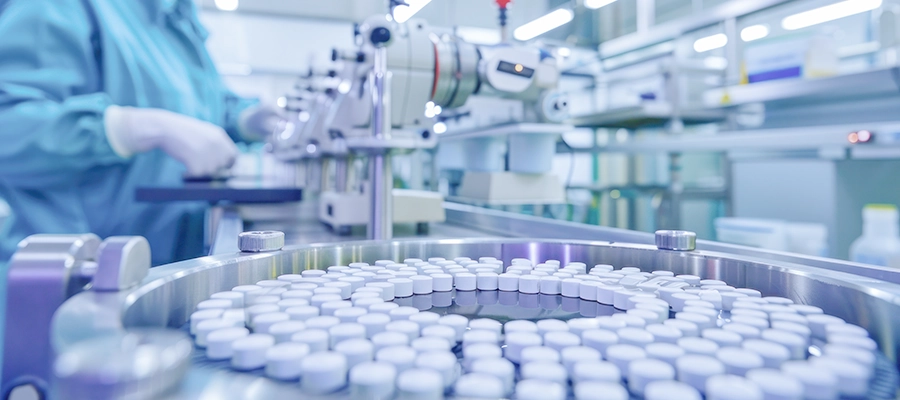
High-quality manufacturing processes are essential to ensure medication safety and effectiveness. Critical aspects include:
- Good Manufacturing Practices (GMP): Standardised procedures for production, storage, and packaging.
- Quality Assurance: Routine testing of raw materials, in-process production, and finished products.
- Sterility and Contamination Prevention: Rigorous protocols to avoid microbial or chemical contamination.
- Supply Chain Integrity: Secure logistics to maintain potency and prevent counterfeit medications.
Advanced manufacturing technologies, such as continuous production and automation, enhance efficiency and consistency.
Pharmaceutical Innovation and Research
Innovation is central to the pharmaceutical industry, addressing unmet medical needs and advancing global health:
- High-Throughput Screening: Rapid testing of thousands of compounds to identify potential therapeutics.
- Artificial Intelligence in Drug Discovery: AI models predict molecular interactions and optimise candidate selection.
- Personalised Medicine: Tailoring therapies based on genetic, biomarker, or lifestyle factors.
- Nanotechnology: Enhancing drug delivery and targeting for precision therapy.
- Collaborative Research: Partnerships between academia, industry, and government accelerate innovation.
Such innovations reduce development timelines, improve therapeutic efficacy, and expand treatment options.
Challenges in the Pharmaceutical Industry
Despite its critical role, the pharmaceutical sector faces multiple challenges:
- Rising Research and Development Costs: Developing a new drug often exceeds a billion dollars.
- Regulatory Complexity: Navigating multiple jurisdictions increases time and compliance requirements.
- Antimicrobial Resistance: Overuse and misuse of antibiotics threaten global health.
- Ethical Considerations: Clinical trial design, patient consent, and pricing policies require careful ethical oversight.
- Market Access Inequity: High costs and distribution barriers limit access in low- and middle-income countries.
Addressing these challenges requires innovative solutions, transparent policies, and global collaboration.
The Impact of Pharmaceuticals on Public Health
Pharmaceuticals have profoundly influenced population health and life expectancy:
- Disease Eradication: Vaccines have eliminated or controlled diseases such as smallpox and polio.
- Chronic Disease Management: Medications control diabetes, hypertension, and cardiovascular conditions, improving quality of life.
- Infectious Disease Control: Antivirals and antibiotics prevent morbidity and mortality from common and emerging infections.
- Innovation in Rare Diseases: Biologics and gene therapies provide options for conditions previously considered untreatable.
These advancements reduce healthcare burdens, enhance productivity, and promote societal well-being.
FAQs About Pharmaceuticals
1. How long does it take for a new drug to reach the market?
Drug development, including preclinical studies, clinical trials, and regulatory approval, typically takes 10 to 15 years.
2. What is the difference between biologics and traditional drugs?
Biologics are derived from living cells and are highly complex, while traditional drugs are chemically synthesized small molecules.
3. Are generic drugs as effective as branded medications?
Yes, generics are bioequivalent to branded drugs and meet the same safety and efficacy standards.
4. How do pharmaceuticals ensure patient safety?
Through rigorous clinical trials, regulatory oversight, quality control, pharmacovigilance, and post-marketing surveillance.
5. Can pharmaceuticals contribute to global health equity?
By increasing access to essential medicines, providing affordable generics, and supporting vaccination programs, pharmaceuticals improve health equity.
6. How is artificial intelligence used in drug development?
AI predicts molecular interactions, optimises compound selection, analyses clinical data, and accelerates discovery of new therapeutics.
7. What are the ethical challenges in pharmaceutical research?
Ethical challenges include ensuring informed consent, fair trial participant selection, equitable access to therapies, and transparency in clinical data reporting.
Pharmaceuticals remain at the forefront of modern medicine, bridging scientific discovery and patient care. By developing safe, effective, and innovative therapies, the pharmaceutical industry continues to improve health outcomes, combat disease, and advance global well-being. The integration of research, regulation, and technology ensures that pharmaceuticals will remain a cornerstone of modern healthcare.

Comments are closed.