

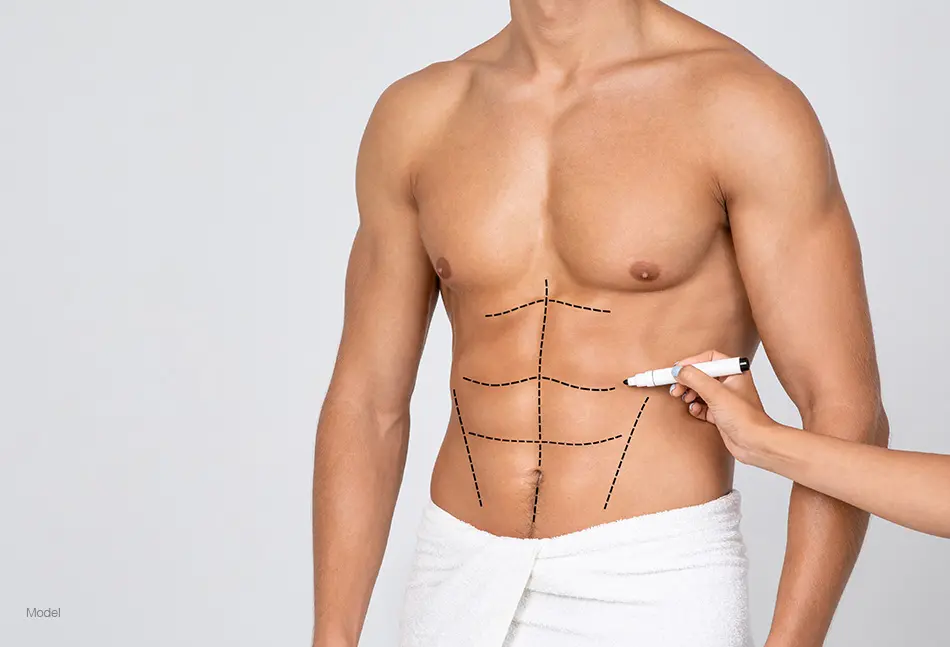
Surgery is a cornerstone of modern medicine, encompassing interventions that treat disease, correct deformities, restore function, and save lives. Beyond traditional operative techniques, surgery integrates advanced technologies, meticulous preoperative planning, and multidisciplinary care to ensure optimal outcomes. Understanding the scope, methods, and evolving innovations in surgery is essential for both medical professionals and patients seeking informed healthcare decisions.
The Scope of Surgery
Surgery addresses a wide spectrum of medical conditions, ranging from elective procedures to life-saving interventions. Key objectives include:
- Treatment of Trauma: Repairing injuries caused by accidents, falls, or violence.
- Disease Management: Removing tumours, repairing organs, or correcting structural abnormalities.
- Functional Restoration: Improving mobility, organ function, or physiological balance.
- Cosmetic and Reconstructive Outcomes: Enhancing aesthetics while supporting physical health.
Surgery operates across multiple specialties, each requiring specialized training, techniques, and equipment.
Types of Surgery
Surgical procedures can be classified based on urgency, invasiveness, and anatomical focus.
Elective Surgery
Elective surgeries are planned in advance and are not immediately life-threatening. Examples include:
- Joint Replacement: Hip or knee arthroplasty to restore mobility and reduce pain.
- Cosmetic Surgery: Procedures like rhinoplasty or breast augmentation to improve appearance and psychological well-being.
- Cataract Surgery: Restores vision in patients with lens opacities.
Elective surgery allows for thorough preoperative assessment, patient education, and optimal preparation.
For elective cosmetic procedures, preparation also includes researching the procedure and the surgeon providing it. Someone considering breast augmentation surgery in Chicago, for example, may want to discuss their goals, available options, potential risks, and expected recovery during a consultation before deciding whether surgery is appropriate for them.
Emergency Surgery
Emergency surgery addresses acute, life-threatening conditions requiring immediate intervention:
- Appendectomy: Removal of an inflamed appendix to prevent rupture.
- Trauma Surgery: Repair of internal injuries following accidents.
- Cardiac Surgery: Emergency interventions for heart attacks or aortic dissections.
Rapid decision-making, coordinated teamwork, and advanced imaging are crucial in emergency surgical care.
Minimally Invasive Surgery
Minimally invasive techniques reduce tissue trauma, shorten recovery times, and decrease complications:
- Laparoscopic Surgery: Small incisions and a camera system guide the procedure, commonly used in gallbladder removal, hernia repair, and appendectomy.
- Robotic-Assisted Surgery: Enhances precision and dexterity in complex procedures, such as prostatectomy or cardiac surgery.
- Endoscopic Surgery: Accesses internal organs through natural orifices, reducing external incisions.
Minimally invasive approaches have transformed patient experiences, offering reduced pain, shorter hospital stays, and faster return to daily activities.
Open Surgery
Open surgery involves direct visualization of anatomical structures through larger incisions. It remains essential for:
- Complex Reconstructions: Multi-organ repair or transplant procedures.
- Oncological Surgery: Tumour excision with extensive margins.
- Severe Trauma Management: Accessing deep tissue structures for effective repair.
Open surgery continues to be critical when minimally invasive techniques are not feasible or safe.
Subspecialty Surgery
Surgical practice spans numerous subspecialties, each addressing specific organ systems or conditions:
- Cardiothoracic Surgery: Heart, lungs, and thoracic cavity interventions.
- Neurosurgery: Brain, spinal cord, and peripheral nerve procedures.
- Orthopaedic Surgery: Musculoskeletal reconstruction, joint replacement, and fracture repair.
- Plastic and Reconstructive Surgery: Restores form and function after injury or congenital anomalies.
- Gastrointestinal Surgery: Treats digestive system disorders, including liver, pancreas, and bowel conditions.
- Urological Surgery: Manages urinary tract and male reproductive organ conditions.
- Ophthalmic Surgery: Eye procedures ranging from cataract extraction to retinal repair.
Preoperative Assessment and Planning
Effective surgery requires meticulous preoperative evaluation to minimize risk and ensure optimal outcomes:
- Medical History and Physical Examination: Identifies comorbidities, allergies, and previous surgical experiences.
- Laboratory and Imaging Studies: Blood work, ECG, X-rays, CT scans, and MRIs guide surgical planning.
- Anesthesia Consultation: Determines patient suitability for general, regional, or local anesthesia.
- Risk Assessment: Evaluates potential complications and prepares mitigation strategies.
- Patient Education: Informs about procedure details, recovery expectations, and lifestyle modifications.
Preoperative preparation ensures safety, reduces intraoperative complications, and enhances patient confidence.
Intraoperative Considerations
During surgery, precision, sterility, and teamwork are paramount:
- Aseptic Technique: Prevents infections through sterilisation of instruments, surgical fields, and personnel hygiene.
- Anesthesia Management: Maintains patient comfort, cardiovascular stability, and respiratory function.
- Hemostasis: Control of bleeding using advanced devices such as electrocautery and hemostatic agents.
- Real-Time Monitoring: Continuous observation of vital signs, oxygen saturation, and intraoperative imaging.
- Surgical Instruments and Technology: Utilization of specialized tools, robotic systems, and minimally invasive devices to enhance precision.
Postoperative Care and Recovery
Postoperative care is critical for successful recovery and prevention of complications:
- Pain Management: Multimodal approaches including opioids, NSAIDs, and regional anesthesia.
- Wound Care: Proper dressing changes, monitoring for infection, and maintaining skin integrity.
- Physical Rehabilitation: Gradual mobility, physiotherapy, and functional restoration.
- Nutritional Support: Adequate protein and micronutrients facilitate tissue repair.
- Monitoring for Complications: Surveillance for bleeding, infection, thromboembolism, or organ dysfunction.
Structured recovery protocols, including enhanced recovery after surgery (ERAS), improve outcomes and reduce hospital stays.
Surgical Innovations
Advancements in technology continue to redefine surgical possibilities:
- Robotic Surgery: Offers enhanced precision, reduced tremor, and superior visualization.
- 3D Printing: Custom surgical implants, prosthetics, and anatomical models for preoperative planning.
- Artificial Intelligence: AI-assisted imaging and predictive analytics improve decision-making and accuracy.
- Minimally Invasive and Endoscopic Techniques: Reduce postoperative pain, scarring, and rehabilitation time.
- Tele-surgery: Remote surgical assistance and guidance expand access to expert care in underserved areas.
These innovations enhance safety, efficiency, and patient-centered outcomes across diverse surgical disciplines.
Surgical Risks and Safety Measures
While surgery can be life-saving, risks exist and require proactive management:
- Infection: Mitigated through aseptic technique, prophylactic antibiotics, and sterile equipment.
- Hemorrhage: Controlled with advanced hemostasis techniques and transfusion protocols.
- Anesthesia Complications: Preoperative assessment and real-time monitoring minimize risks.
- Thromboembolism: Early mobilization, anticoagulation, and compression devices prevent clot formation.
- Organ or Tissue Injury: Precision techniques, intraoperative imaging, and surgical experience reduce inadvertent damage.
Patient safety protocols, checklists, and multidisciplinary collaboration are essential components of risk mitigation.
The Role of Surgery in Modern Healthcare
Surgery is integral to contemporary medicine, addressing both acute and chronic conditions:
- Life-Saving Interventions: Trauma repair, organ transplants, and cardiac surgery.
- Chronic Disease Management: Joint replacements, bariatric surgery, and cancer excisions improve quality of life.
- Cosmetic and Functional Restoration: Enhances physical function, aesthetics, and psychological well-being.
- Preventive Surgery: Early excision of precancerous lesions or high-risk tissues prevents disease progression.
Surgical advancements, combined with evidence-based care, optimize patient outcomes and advance healthcare standards.
FAQs About Surgery
1. How do surgeons decide between minimally invasive and open surgery?
The choice depends on the complexity of the condition, anatomical accessibility, patient health, and expected outcomes. Minimally invasive methods are preferred when feasible.
2. What are the essential preoperative precautions?
Comprehensive evaluation, medication review, fasting guidelines, anesthesia assessment, and patient education are critical for safety.
3. How long is recovery after major surgery?
Recovery varies based on procedure type, patient health, and postoperative care but typically ranges from weeks to months for major operations.
4. Can robotic surgery replace traditional methods entirely?
Robotic surgery complements, rather than replaces, traditional techniques. Some complex or emergent procedures still require open surgery.
5. What is enhanced recovery after surgery (ERAS)?
ERAS protocols combine preoperative education, optimized anesthesia, nutrition, and early mobilization to accelerate recovery and reduce complications.
6. Are surgical outcomes influenced by patient lifestyle?
Yes. Nutrition, physical fitness, smoking status, and adherence to postoperative instructions significantly impact recovery and long-term results.
7. How are surgical complications monitored postoperatively?
Regular monitoring includes vital signs, wound inspection, imaging studies, laboratory tests, and follow-up visits to detect and manage complications early.
Surgery remains a dynamic and vital component of healthcare, blending technical expertise, scientific innovation, and patient-centered care. From life-saving interventions to elective improvements in quality of life, surgical practice continues to evolve, offering precise, effective, and safe solutions to complex medical challenges. By integrating preoperative planning, advanced techniques, and rigorous postoperative care, surgery ensures optimal outcomes for patients across diverse medical conditions.

Comments are closed.